

 CALL NOW
Broken bones happen in car accidents, slip and falls, sports collisions, and workplace incidents across Tampa and Florida every day. A fracture might be obvious, with visible deformity at the injury site, or it might show up as intense pain, swelling, or trouble moving the injured area. Some bone breaks heal with a cast in a few weeks. Others need surgery, metal hardware, and months of physical therapy. This page covers the causes, symptoms, fracture types, treatment options, and what to do if someone else caused your injury.
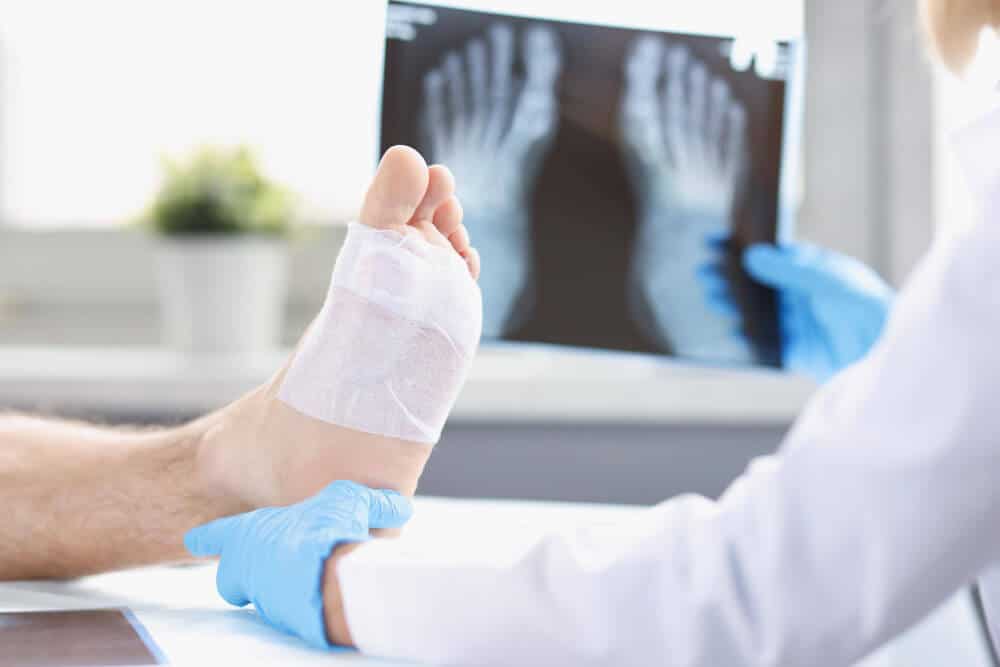
What is a broken bone?
A broken bone, also called a fracture, happens when more force hits a bone than it can absorb. That force can come from a single hard impact or from repeated stress over time.
Fractures range widely in severity. A hairline crack in the foot is a fracture. So is a shattered femur with bone fragments scattered through the surrounding tissue. Bone fractures can happen in nearly any body part, from small bones in the hand and wrist to large bones in the leg, hip, or pelvis.
Some breaks are easy to identify. The limb looks bent at an unnatural angle, or the bone pushes through the skin. Others are harder to spot. A person might walk on a fractured ankle for days before the swelling and pain get bad enough to send them to a doctor.
Common causes of broken bones
Most fractures result from direct physical trauma, but repetitive strain and medical conditions like osteoporosis can also cause bone breaks over time.
Car accidents
The sudden force of a car accident can fracture arms, legs, ribs, and the pelvis. Side-impact and head-on collisions put extreme pressure on the body. Even lower-speed crashes can break bones when a driver braces against the dashboard or steering wheel.
Slip and fall accidents
A fall onto a hard surface like concrete or tile often causes wrist, hip, or ankle fractures. Older adults face higher risk of broken hips from falls. Wet floors, uneven walkways, and poorly maintained premises contribute to these injuries regularly.
Motorcycle, bicycle, and pedestrian accidents
Riders and pedestrians have almost no barrier against direct collision impact. A motorcycle crash or a car striking a cyclist or pedestrian often results in multiple fractures along with road rash, head trauma, and spinal injuries.
Work-related or crush injuries
Heavy machinery, falling objects, and construction hazards cause severe bone fractures. Crush injuries happen when a body part gets trapped between hard surfaces, often affecting hands, feet, and limbs.
Symptoms of a broken bone
After a fall, car accident, or other trauma, a broken bone usually produces clear warning signs. Intense, sudden pain that gets worse with pressure or movement is the most common symptom. Other signs to watch for:
- Severe pain at the fracture site that worsens with touch or movement
- Swelling and tenderness that develop rapidly from inflammation
- Bruising around the injured area
- Visible deformity, such as a limb or joint bent at an unnatural angle
- Difficulty moving the injured area or nearby joint
- Inability to bear weight on the affected limb
- A grinding or snapping sensation at the time of injury
In severe cases, the bone may break through the skin. This is an open fracture and is a medical emergency. Open fractures carry a high risk of deep bone infections and need immediate medical attention.Not all fractures produce dramatic symptoms. Stress fractures and hairline cracks sometimes cause only mild pain and swelling that builds gradually, which is why injuries can appear days after an accident.
Different types of fractures
Bones can fracture into several distinct patterns depending on the angle, force, and direction of impact. Doctors classify bone fractures by how the bone breaks, whether it moves out of alignment, and whether it pierces the skin.
Closed fracture
In a closed fracture, the bone cracks or breaks but the skin stays intact. These are the more common type and often heal with a cast or brace if the bone holds its proper position.
Open fracture
An open fracture happens when the bone breaks through the skin. This is a medical emergency. The exposed bone and wound create a high risk of deep infection, and the injured person needs surgery and aggressive fracture treatment right away.
Hairline or stress fracture
A stress fracture is a small crack caused by repeated force applied to a bone over time, not a single impact. These often affect the feet and shins and can worsen without rest and proper treatment.
Comminuted or displaced fracture
A comminuted fracture means the bone shatters into three or more fragments. A displaced fracture means the broken pieces move out of proper alignment. Both types usually require open reduction and internal fixation with screws, plates, or rods.
Additional fracture patterns
|
Fracture type |
Description |
|
Transverse |
A straight, horizontal break directly across the bone shaft |
|
Oblique |
A diagonal or angled break across the width of the bone |
|
Spiral |
A break that twists around the bone, typically caused by a violent torque or twisting injury |
|
Nondisplaced |
The bone cracks but retains its proper alignment, often needing only bracing or casting |
|
Displaced |
Broken bone portions come out of proper alignment and may require surgical intervention |
When to get medical help
Get medical help right away if a bone looks deformed, pain is severe, or the person cannot move or bear weight on the injured area. Call your local emergency number if there is an open wound, numbness or tingling below the fracture site, heavy bleeding, or if the limb looks pale or blue.
While waiting for help, do not try to straighten the bone. Apply ice packs wrapped in a clean cloth to reduce pain and swelling. If there is bleeding from the fracture, place a dry, clean cloth over the wound and apply direct pressure. Do not use a tourniquet unless the bleeding is life-threatening.Prompt fracture treatment prevents complications like improper healing, infection, and permanent damage to blood vessels, muscles, and tendons. You should go to the emergency room after an accident whenever a fracture is suspected.
How doctors diagnose a broken bone
Physical examination
A healthcare provider checks for pain, swelling, bruising, and range of motion at the injury site. They look for visible deformity and test whether the person can move or bear weight on the affected body part.
Imaging tests
X-rays produce clear images of most fractures and are the first test ordered. For more complex cases, a CT scan or MRI may be needed to detect hairline cracks, stress fractures, or damage to surrounding ligaments, muscles, and tendons.
Medical history and symptom review
Doctors ask how the injury happened, what symptoms started afterward, and whether the person has medical conditions like osteoporosis that increase the risk of fractures.
Follow-up care
Healing may require repeat visits with new x-rays to confirm the bone is setting in the proper position. Doctors adjust treatment if the fracture is not healing correctly.
Broken bone recovery time
Recovery time depends on the type of fracture, which bone is broken, and how the break happened. A simple wrist fracture might heal in 6 to 8 weeks with a cast. A severe leg fracture with surgery can take 3 to 6 months or longer.
|
Fracture severity |
Typical treatment |
Estimated recovery |
|
Minor (hairline / stress fracture) |
Rest, ice packs, protective footwear |
4 to 8 weeks |
|
Moderate (closed, nondisplaced) |
Plaster or fiberglass cast, bracing |
6 to 12 weeks |
|
Severe (open, comminuted, displaced) |
Surgery, internal fixation, traction |
3 to 6+ months |
A plaster or fiberglass cast is the most common fracture treatment. It keeps the broken ends of the bone in proper position while they heal. More serious breaks may need open reduction and internal fixation, external fixation, or traction to align the bones. Physical therapy usually follows. Pain, swelling, and restricted movement can affect daily life for weeks or months during recovery. A diet rich in calcium and Vitamin D, along with weight-bearing exercises, can help promote bone strength and prevent future fractures.
Long-term effects of a broken bone
Not every fracture heals completely. Some leave lasting problems that affect a person’s body, work, and daily routine.
Chronic pain or stiffness
Some fractures leave lingering pain at the fracture site, especially in cold weather or with heavy use. Stiffness in the nearby joint is common, and full range of motion does not always return.
Reduced mobility
Walking, lifting, or using the injured area may stay difficult long after the cast comes off. Hip and leg fractures can cause a permanent limp or need for assistive devices.
Surgical or hardware-related issues
Fractures treated with pins, plates, or screws sometimes cause ongoing discomfort. Hardware may need removal in a second surgery, and infection around the fixation site remains a risk.
Work and lifestyle impact
Weeks or months away from work affect income and career stability. Physical limitations may prevent someone from returning to the same job. The stress of recovery and lost independence also takes a toll on quality of life.
How a broken bone can affect a legal claim
A broken bone produces strong medical evidence for a personal injury claim. X-rays and imaging clearly show the fracture, and surgical records, hospital bills, and treatment timelines create a documented trail that connects the injury to the accident.
That said, insurance companies still push back. They may argue a fracture is minor, that it was pre-existing, or that treatment was excessive. Less visible breaks like stress fractures or hairline cracks get downplayed more often than obvious displaced fractures.
Documentation matters. Keep every medical record, prescription receipt, and imaging report. Photographs of the injury, witness statements, and the accident report all support your case. The types of evidence you need for a personal injury case can make or break a claim.Florida’s personal injury statute of limitations sets a deadline for filing. Missing it means losing the right to seek compensation entirely, regardless of how serious the fracture was.
Compensation in a broken bone case
If someone else’s negligence caused your fracture, you may be entitled to compensation covering several categories of loss.
Economic damages
These cover the bills you can count: emergency room visits, x-rays, surgery costs, medication, physical therapy, and any other medical care related to the fracture. Lost wages from missed work also fall under economic damages.
Non-economic damages
Pain and suffering, emotional distress, loss of sleep, and reduced quality of life are harder to quantify but still recoverable. The severity of the fracture, length of recovery, and permanent limitations all factor into how pain and suffering is calculated.
Future damages
If recovery is incomplete, you may need ongoing therapy, follow-up surgeries, or long-term pain management. Reduced earning ability also counts. An attorney can help project these costs when determining how much your case is worth.
What to do after a broken bone
If you suspect a fracture after an accident, take these steps to protect your health and your legal options:
- Get medical treatment immediately. Go to the emergency room or urgent care, even if you can still move. Injuries can take days to fully appear
- Follow your doctor’s instructions for treatment, rest, and follow-up appointments.
- Keep copies of all scans, visit summaries, prescriptions and therapy records.
- Track your pain levels, mobility limits, and recovery progress in a written log.
- Save photos of the injury, the accident scene, and any visible bruising or swelling over time.
- Get witness contact information and a copy of the accident report.
- Do not give recorded statements to the other party’s insurance company before speaking with an attorney.
Why talk to a lawyer after a broken bone
A personal injury lawyer can help connect your fracture to the accident, gather medical records and expert opinions, and deal with insurance adjusters on your behalf. This matters because insurers often try to settle quickly for less than a claim is worth.
An attorney reviews your medical bills, lost income, and long-term treatment needs to calculate fair compensation. They handle the legal process while you focus on recovery.If your broken bone came from a car accident, slip and fall, or another incident where someone else was at fault, a conversation costs nothing. Most personal injury firms work on a contingency fee basis.
FAQs about broken bones
Speak with a lawyer about a broken bone
If a car accident, fall, or another person’s negligence left you with a broken bone, legal help may make a real difference in your recovery. Medical bills pile up fast, time off work drains savings, and insurance companies rarely offer what a claim is actually worth without pressure.
Jack Bernstein Injury Attorneys offers free consultations to injury victims across Tampa and the surrounding areas. Contact us to discuss your fracture case with no upfront cost and no obligation.