

Dogs are commonly called man’s best friend and the most popular pet choice for Americans. Engaging with canines has its risks, however. The Centers for Disease Control and Prevention (CDC) reports that over 11 years ending in 2021, 468 people in the United States died after being struck or bitten by a dog. Their research shows that the frequency of dog-related deaths doubled during the last four years of the study period.
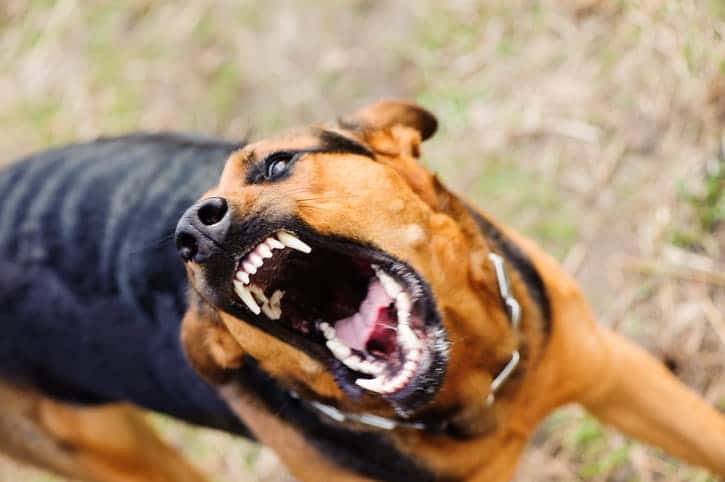
If you or a loved one has been the victim of a dog attack in Tampa, Florida, you may wonder about suing for a dog bite. Florida’s laws give victims of vicious animal attacks legal grounds to seek justice after a dog attack. Here’s what you need to know about Florida’s dog bite laws.
Were you bitten by a dog? Contact Jack Bernstein, Injury Attorneys, now.
Florida Dog Bite Laws
Florida Statute 767.04 assigns liability to pet owners when attacks occur in public places and on private property in some circumstances. Dog attacks on private property can fall within premises liability law. Liability can still be reduced by comparative fault if the dog bite victim provoked the animal or ignored warnings.
Florida also recognizes the ‘Bad Dog’ sign defense when prominently posted on the owner’s premises (not effective against children under six or when the owner’s negligence caused the dog bite incident).
Strict Liability vs the ‘One Bite’ Rule
Many states have what’s known as a ‘one bite’ law. This law limits a dog owner’s liability to their awareness that their dog is violent. Consequently, the owner may not be liable if the dog has never bitten someone. However, if the dog has bitten someone before, they’ve demonstrated they can be harmful, and the owner is liable.
Florida doesn’t have the ‘one bite’ law. Florida is a strict liability state for dog bites. That means dog owners can be held liable if their dog bites someone in a public place or a person lawfully on private property – regardless of prior knowledge of “dangerous tendencies” or any “one bite rule.” In other words, you don’t have to prove the owner knew the dog was vicious to sue for a dog bite.
Exceptions
Comparative negligence applies to dog bite cases, meaning liability is shared between all at-fault parties. Consequently, if the victim has partial responsibility for the attack, the dog owner’s liability decreases. Situations that affect the dog owner’s liability include the following:
- Appropriate warnings: Owners may not be liable if they have a “bad dog” sign posted and the victim is over six years of age
- Unlawful access: The dog’s owner isn’t liable if the victim was unlawfully on private property. Suppose someone breaks into your house to steal items, and your dog attacks them. You may not be liable because they were on private property without permission.
- Victim’s actions: The owner may not be liable or have reduced liability if the victim is partially responsible for the incident. For example, if a person kicks a dog and the dog bites them, it would change the dog owner’s level of liability.
Common Dog Bite Injuries
Common dog bite injuries range from puncture wounds, deep lacerations, nerve damage, and broken bones to infections requiring surgery and extensive medical treatment. Children are disproportionately harmed: studies show head and neck regions are involved in a majority of pediatric cases, often resulting in permanent scarring and emotional distress/post‑traumatic stress disorder.
Adults more frequently sustain wounds to the extremities. Early medical attention and meticulous medical documentation are critical for dog bite claims, both for care and to prove damages suffered (e.g., medical bills, lost wages/lost income, and non‑economic damages like pain and suffering).
What Compensation Can I Seek in a Dog Bite Lawsuit?
In dog bite lawsuits, one can claim:
- Economic damages: medical expenses/medical damages, future care, lost wages/lost income, therapy, scar‑revision costs, out‑of‑pocket transportation & prescriptions (dog bite victims can recover financial compensation for reasonable medical expenses and other damages suffered).
- Non‑economic damages: pain and suffering, emotional distress, and psychological trauma (including PTSD) when supported by evidence.
- Punitive damages (rare): for egregious misconduct (e.g., an owner with prior knowledge of vicious tendencies encouraging an attack). (Case‑specific; consult a dog bite lawyer.)
Homeowners/renters insurance company policies often defend and indemnify dog bite cases; average dog‑related claim costs have risen in recent years.
Filing personal injury claims for a dog bite or attack
After a dog attack, the best thing to do is contact a personal injury lawyer. The steps you need to take to sue for a personal injury apply to dog bite cases. An attorney will prepare your case, guide you through the filing process, and have everything you need to build your case.
Ideally, you’ll document the incident when it occurs. This may mean writing notes and taking photos or videos during or after the attack. It’s crucial you note the time and location and any factors that may have contributed to the incident. Ideally, you’ll also have contact information for any witnesses.
You should save your medical bills and other relevant documentation to justify expenses claimed when you file for damages. Your attorney can help you identify other grounds for damages to ensure you seek the maximum compensation available. Your attorney will file the legal paperwork before the statute of limitations expires and will handle negotiations with the at-fault party’s insurance company.
Will Insurance Cover Dog Bites?
In most dog bite cases, the owner’s homeowners or renters insurance defends the claim and can pay your total compensation up to policy limits. Some carriers exclude certain breeds or prior incidents; an umbrella policy may add extra limits for severe injuries. Expect the insurance company to scrutinize liability, strict liability statute defenses, comparative fault, and the scope of medical bills.
Keep every record and avoid informal statements until you’ve spoken with counsel. (If the defendant is uninsured, your personal injury lawsuit proceeds directly against the owner, who may still be held liable under state law.)
When should you sue for dog bite injuries?
For incidents on or after March 24, 2023, most Florida negligence claims (including many dog bite cases) must be filed within two years. In case you can sue, you must file within this time frame. Some statutory bite claims can be pled alongside negligence; speak with counsel to preserve every viable theory and deadline.
What can I sue for in a dog bite case?
You can seek monetary and non-monetary damages from a dog bite lawsuit. The amount you seek depends on your related expenses and the severity of your injuries.
Monetary or economic damages are calculated by adding up the bills related to costs stemming from your attack. Economic damages you can seek can include compensation for the following:
- Childcare costs
- Lost wages
- Medical bills
- Property damage
- Transportation costs
You can also seek non-monetary damages, which provide compensation for things such as the following:
- Anxiety
- Depression
- Loss of intimacy
- Pain and suffering
- Post-traumatic stress disorder
Legal damages in a dog bite case could also include punitive damages if the dog’s owner is guilty of gross negligence. Suppose the owner encouraged the attack and retained the dog despite knowing it had attacked multiple people. In that case, the courts could conclude the owner is guilty of gross negligence and assign additional financial penalties in the form of compensation paid to the victim.
Call Tampa’s premier dog bite lawyer today

Contact Tampa’s premier dog bite lawyer to discuss your dog bite case today. We have decades of experience helping victims receive justice through injury lawsuits. We’ll handle the investigation and gather evidence to support your claim while fighting for you to receive compensation after your dog bite attack.
Contact Jack Bernstein, Injury Attorneys, today for a free consultation.
Frequently Asked Questions
About Jack G. Bernstein Esq.
Personal Injury Lawyer

For more than 40 years, personal injury lawyer Jack G. Bernstein has protected the rights of individuals who have been injured in a variety of circumstances. Throughout his career, Bernstein has been a strategist thoroughly dedicated to the idea of protecting the rights of his clients. Mr. Bernstein is a member of the Florida State Bar Association, the Hillsborough Bar Association and the Clearwater Bar Association.
Mr. Bernstein has the experience and expertise to handle a wide range of injury cases. Among the types of plaintiffs Mr. Bernstein represents are individuals involved in car accidents caused by drunk drivers or other exhibiting negligence, medical complications resulting from carelessness caused by a physician or a medical facility, including brain injury, bicycle, motorcycle, moped and truck accidents, admiralty law and cruise ship accidents, accidental drownings, all types of wrongful death lawsuits, along with most injury, catastrophic occurrences and legal malpractice issues.
Our firm handles every type of personal injury and accident case, using negotiation and litigation tactics effectively. We handle cases throughout Tampa, Sarasota, St. Petersburg, and Clearwater, FL. With a staff of approximately 40 people, including six lawyers and 34 support personnel, we have the legal resources to get the justice you deserve and the maximum recovery for your losses. Schedule your free consultation today; we are always here to help.
Free Case Evaluation
No Fees Unless We Win
No upfront fees, no risk, and no out of pocket cost to you or your family.
Entirely confidential – we respect your privacy, consultations are privileged.