

 CALL NOW
Waymo & Robotaxi Accidents: Who’s Liable in Florida?
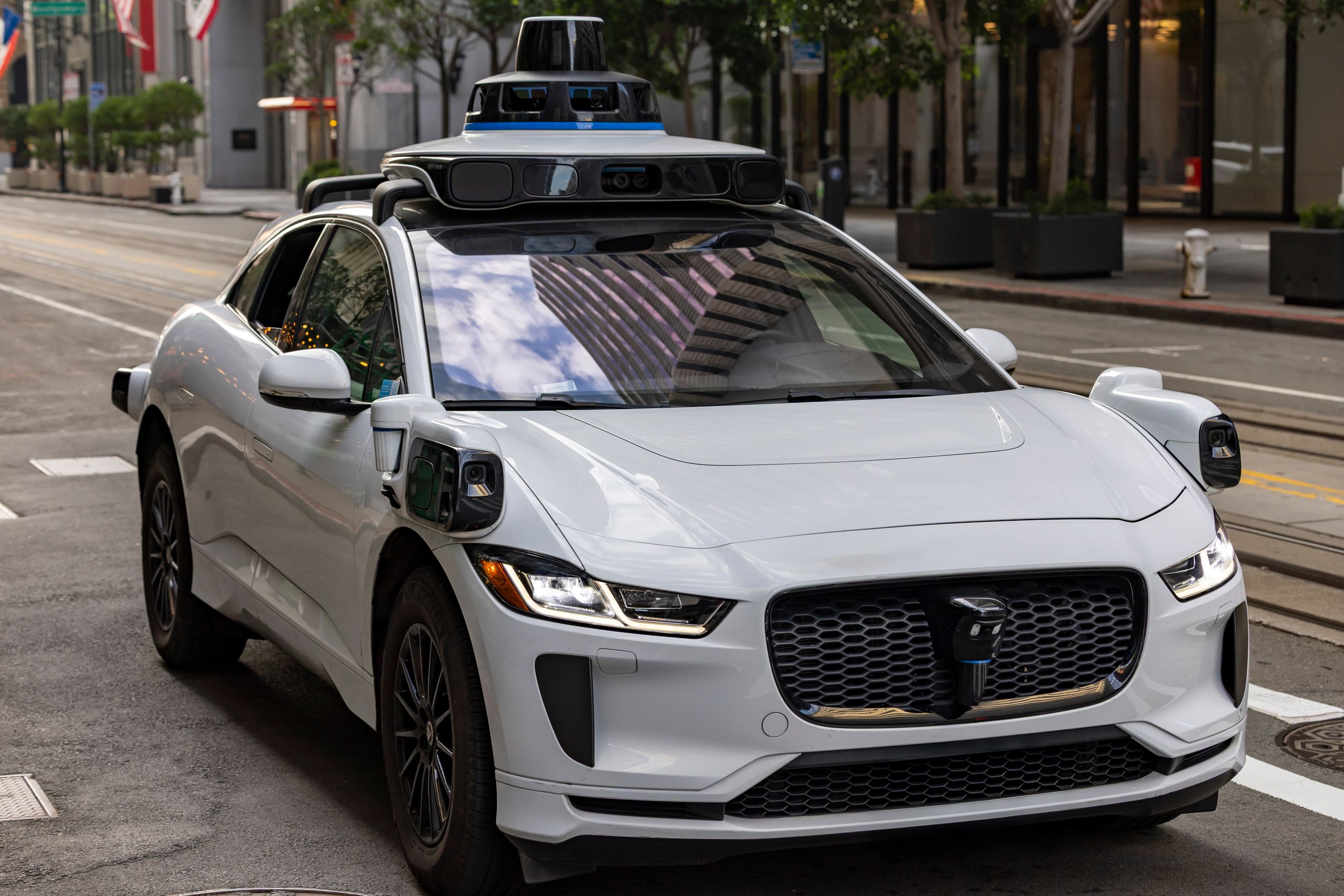
Completely autonomous driverless taxis such as Waymo have become quite common in Orlando and Miami, Florida. Soon, these taxis may be seen running across the streets of Tampa, San Diego, and other locations in Florida.
Currently, there is no announcement for Waymo driverless rides to be available to the public in Tampa, San Diego, Las Vegas, and Denver. However, they are currently available for Alphabet employees before becoming publicly accessible.
Though they may be a convenient way to commute, one question may keep ticking your mind if you are travelling in a Waymo robotaxi where it is operational: “What would happen if a personal injury occurs due to such vehicles?” or “Whom to sue for Waymo accident claims?”
The simple answer is- the complete responsibility may fall on Waymo (the AV operator), another human driver, or the vehicle/software maker of the AV.
In general, many Florida dog bite claims settle somewhere between $30,000 and $70,000, although every case is unique.
This article covers typical settlement ranges, factors driving your specific number, unique Florida dog bite laws, and how to calculate your own claim.
As AV technology expands, drivers need to be aware of their options if they are injured in a self-driving vehicle accident in Tampa.
Were you injured in a car accident? Contact Jack Bernstein, Injury Attorneys, now.
Fast Facts for Waymo & Robotaxi Accidents
- Robotaxis are expanding in Florida
- These self-driving technology vehicles make accident liability assessments complex.
- Since Waymo claims that its multiple vehicles are backed by industry-leading safety practices, if any accident occurs due to their vehicular/software malfunction, the accident liability can fall on Waymo.
What Counts As a Robotaxi or Waymo Accident?
One can consider a robotaxi or Waymo accident as a collision that involves Waymo cars operating autonomously (without any driver) on public roads. This may include crashes where Waymo vehicles collide with conventional cars, other drivers, cyclists, pedestrians walking on the sidewalk, and motorcyclists.
Such accidents also involve rear-end collisions when the Waymo car or robotaxi stops at red lights, traffic queues, or any such scenario. A few such incidents have already been reported in parts of the country. However, individuals can claim compensation for accidents involving cars running on Waymo’s technology.
In one of NHTSA’s reports, it is mentioned that if the National Highway Traffic Safety Administration finds a safety defect in any robotaxi, it will take necessary action to ensure that unsafe vehicles are taken off public roads or remedied.
Who Is Liable in a Self-driving Car Accident?
If proven, the vehicle manufacturer or vehicular software development company will be held liable for a self-driving car accident.
Since this is one of the most asked queries by those who are victims of Waymo accidents, let us do an in-depth analysis of the same:
- The Autonomous Vehicle Company (Waymo): Only if the self-driving system malfunctions due to sensor errors or software bugs.
- Another Human Driver: If typical human drivers are involved in the accident and the accident is caused due to their negligence, they will be the ones responsible for paying the damages.
- Vehicle Manufacturer: In case the accident took place due to mechanical failures (faulty brakes/steering), the vehicle manufacturer may be held liable if proven at fault.
- Government Agencies: Government bodies can also be held liable if the accident took place due to poorly maintained roads or faulty traffic signals.
- Shared Liability: In some scenarios, depending on the accident circumstances, the responsibility will be shared by multiple parties.
How Liability Is Investigated After a Robotaxi Crash
There are multiple ways through which involved teams can investigate the liabilities after a robotaxi crash. This mainly involves the following:
Vehicle Sensor and Camera Data
Waymo or robotaxis have advanced sensors and cameras to record data during operations. If needed, footage is extracted from the recorded data as evidence.
Software and Operating Logs
Detailed software activities and decision-making processes are logged by Waymo to get insights into how the Waymo driver reacted. This allows them to assess whether their technology was at fault or not.
Police Reports and Witness Statements
Waymo car accident lawyers also collect police reports as well as witness statements to gain insights into external perspectives on the crash.
Event Data Recorders (Black Box Data)
These recorders can also be referred to as the black box data, as they contain information such as speed, braking, and whether the airbag deployed or not, to understand crash severity.
Florida Law: No-fault + Autonomous Vehicle Rules
According to Florida’s statutes for autonomous vehicles, Personal Injury Protection (PIP) must pay for medical expenses or lost wages, including for passengers in the autonomous vehicles such as Waymo.
Under a Florida Statute. §316.85, Florida permits driverless operation of robotaxis on public roads, including Waymo cars, to operate without the presence of a human driver. However, if any injury exceeds the no-fault threshold, injured parties may pursue claims beyond PIP.
This legal framework has been designed to ensure that passengers involved in Waymo accidents get prompt medical coverage for a self-driving car accident in Florida. But this law may not be applicable in other locations where Waymo operates.
What To Do After a Robotaxi Crash
To be able to claim compensation, you will need to take some immediate steps. Afterwards, you can discuss your case with an experienced robotaxi accident lawyer.
- Check for injuries: Thoroughly assess yourself or the victim. Request emergency medical service, if needed.
- Secure the area: Make sure to turn on the hazard lights immediately. Also, stand away at a safe distance.
- Documentation: Take clear photos and videos of severe or moderate injuries, vehicular damage from every angle, any nearby traffic signs, surrounding places, etc.
- Vehicle identity: Carefully note down the license plate number of the vehicle, Vehicle Identification Number (VIN), along with the details of the operating company. You can also take photos of the same. Also, take note whether the car was in the right lane or not.
- Witness details: Do not forget to collect details from witnesses, including their names, phone numbers, addresses, and other details that might help with the case.
Your autonomous vehicle accident attorney will request all these details from you if you claim any compensation from the liable institutions or individuals.
Were you injured in a car accident? Contact Jack Bernstein, Injury Attorneys, now.
Frequently Asked Questions
Injured in a Waymo or Robotaxi Accident? Contact Tampa Auto Accident Lawyer
At Jack Bernstein, Injury Attorneys, our team of experienced paralegals, investigators, and trial lawyers is ready to help you fight for your rights after a car accident injury in Tampa, Florida. We stand up to aggressive insurance companies and adjusters to secure the high-quality legal representation and financial recovery you deserve.
You may have claims against multiple parties, including the autonomous vehicle operator, another negligent driver, or the vehicle manufacturer. Our team can help identify all available insurance coverage and preserve critical electronic evidence.
Our firm operates on a contingency fee basis, meaning we do not take any fee until we successfully win your case. Contact our team today to learn more about your legal options or any related queries.
Disclaimer: This blog is published by Jack Bernstein, Injury Attorneys for general informational purposes only. Nothing here is legal advice, and reading it does not create an attorney-client relationship with our firm. Laws and regulations vary by state. Always speak with a licensed attorney in your jurisdiction to understand how they apply to your specific situation. Past case results do not guarantee future outcomes. Every case is unique and depends on its own facts and circumstances. Please do not share sensitive personal information or case details in public comments or messages. For advice about your case, call us at (813) 333-6666.
About the Attorney

Jack G. Bernstein, ESQ.
Jack G. Bernstein is a veteran Florida personal injury attorney with over 40 years of experience practicing since 1983, successfully litigating 50,000+ cases spanning car accidents, truck accidents, slip-and-fall accidents, wrongful death and complex personal injury claims. A proud University of Miami School of Law graduate, he holds active membership in the Florida Bar Association and Clearwater Bar Association. Jack delivers relentless, client-first advocacy to maximize compensation and justice in every case.